
16 October 2026
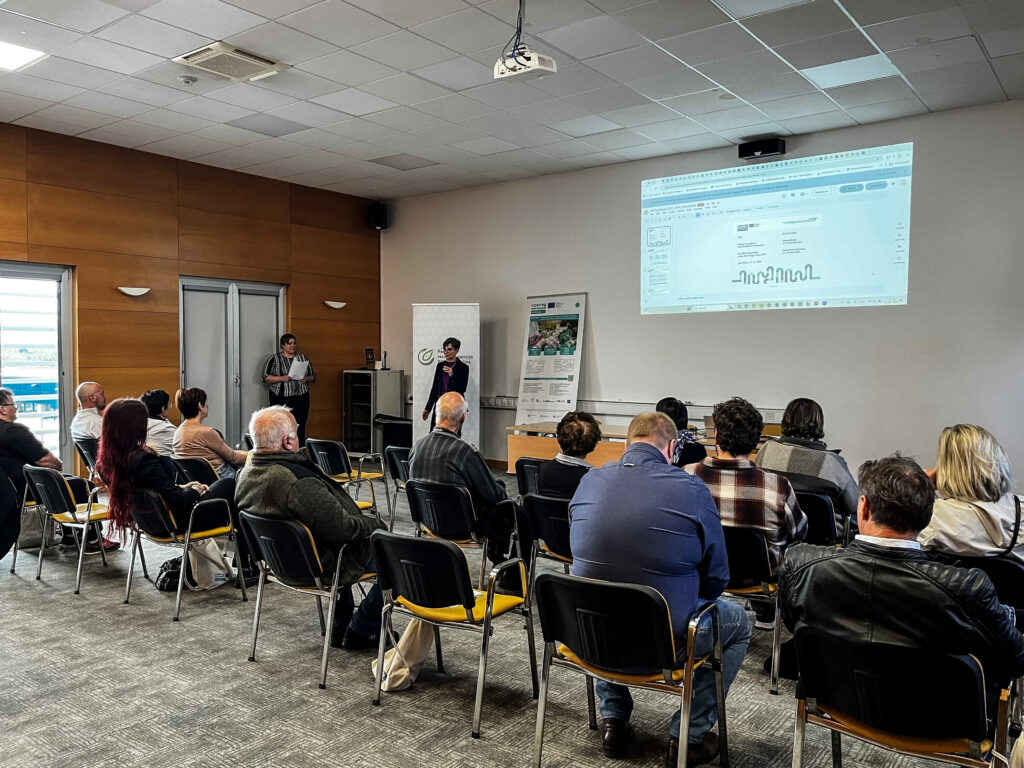
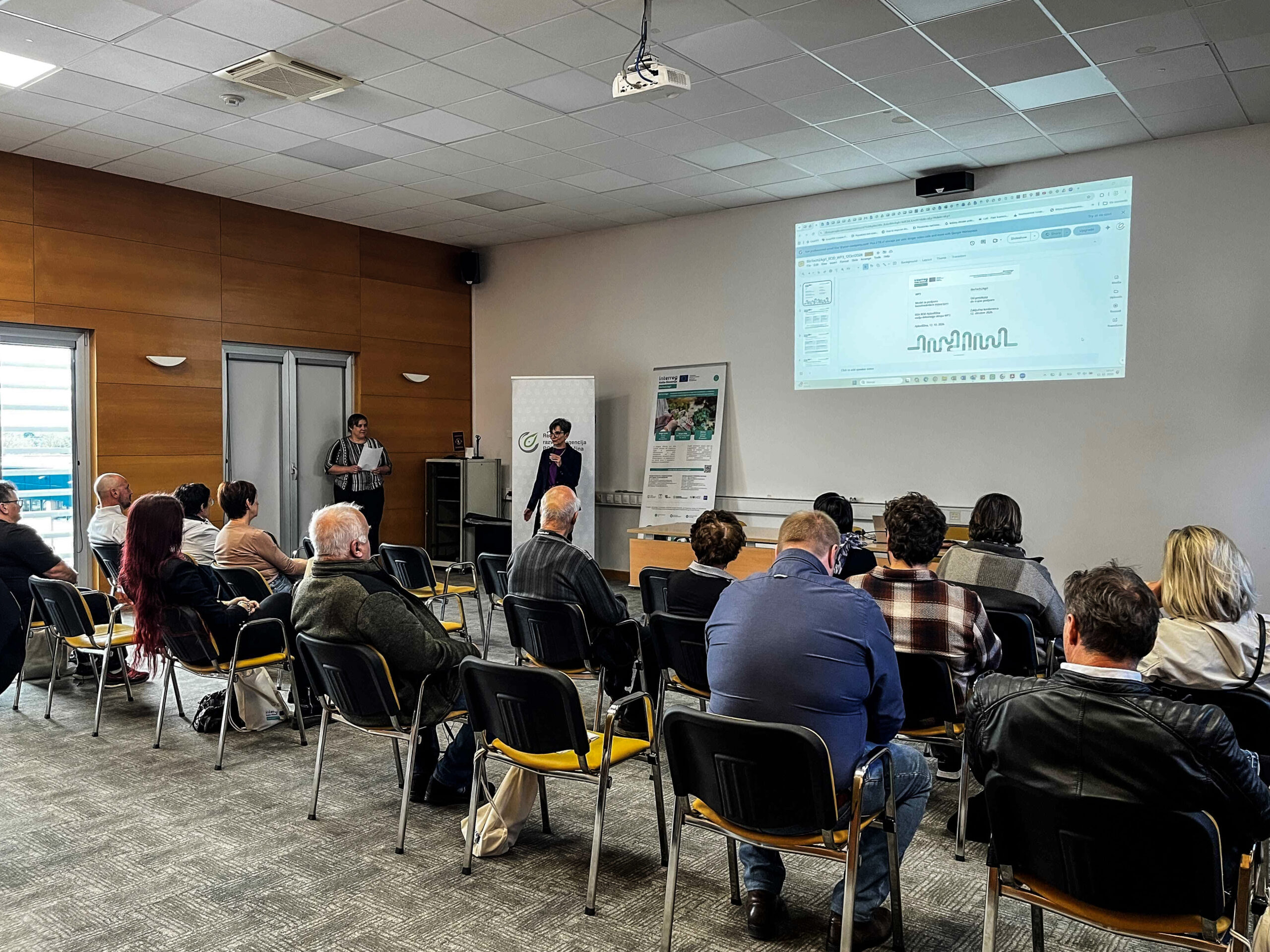
From mapping the biotechnologies available in the area and supporting businesses to defining a replicable model for fostering innovation: on 12 October 2026, in Ajdovščina, the final conference of BioTech2Agri – Biotechnological Innovation for Sustainable and Competitive Agriculture reviewed the results of the project, co-financed by the European Union under the Interreg VI-A Italy-Slovenia Programme 2021–2027.
The event, organised by the ROD Ajdovščina Regional Development Agency together with the project partners, brought together representatives from the research and business communities and support organisations from both territories. The conference recounted a 30-month journey that successfully connected scientific knowledge, entrepreneurial capacity and the concrete needs of the agri-food sector.
Launched in April 2024, BioTech2Agri involved six partners and six associated partners across a cross-border area covering more than 19,000 square kilometres, with a total budget of €886,561. Its objective was to encourage Italian and Slovenian agri-food SMEs to adopt biotechnological solutions by strengthening knowledge transfer and relationships among businesses, research centres, funding bodies and institutional stakeholders.
The project was developed in three phases. The first involved analysing and mapping the biotechnologies and solutions available in the cross-border area. The second led to the testing of the Innovation Coins Mechanism, through which 26 SMEs gained access to four integrated services. The third transformed the experience into a ten-point guide designed to make the model replicable in other innovation pathways.
The initial survey identified potential biotechnological applications in sectors including agri-food, nutraceuticals, cosmetics, animal feed and agritech. Particular attention was given to the circular economy and the valorisation of by-products and residual biomass, including apple peels, grape pomace, olive leaves, algae and other plant residues.
At the operational heart of the project was a pathway designed for 26 agri-food SMEs, 14 Slovenian and 12 Italian. The businesses received support through four coordinated services designed to reduce the initial risks of innovation and facilitate the transition from an idea to a product, a more efficient process or a new market opportunity.
The first service assessed the technical feasibility of the proposed solutions. The second helped businesses develop their economic and commercial sustainability through the Business Model Canvas. The third enabled them to identify European, national, regional and local funding opportunities, while the fourth encouraged cross-border networking among businesses, researchers, experts and other stakeholders in the innovation ecosystem.
Within this process, INFORMEST managed the project’s communication activities, promoting awareness in the participating territories of the opportunities offered by biotechnology and ensuring visibility for the activities, tools and results developed by the partnership. During the final conference, INFORMEST presented the work carried out to communicate the project and raise public awareness of the importance of biotechnological innovation.
Communication accompanied the different stages of the project, helping to make specialist content accessible and explain the relationship between research, business applications and sustainability. The Innovation Map, created as a tool for summarising and disseminating the project’s work, brings together the main biotechnologies mapped, the pathway covering the four services and the guidance developed to replicate the acceleration model.
The value of this journey was also highlighted by INFORMEST President Davide Lepori, who spoke on 23 September 2026 at Villa Russiz during the conference Bioeconomy in Action: the Agri-food Supply Chains of the Future:
“Grape pomace, whey and other by-products from agri-food processing, which until recently were considered a disposal cost, can become nutraceutical ingredients, biostimulants and biomaterials thanks to the appropriate technologies. From this perspective, the bioeconomy represents the vision, biotechnology provides the tools and sustainable innovation is the outcome: producing more with fewer resources, reducing waste and emissions, creating skilled employment and strengthening the resilience of supply chains. The project has moved in the right direction by supporting businesses and building cooperation and collaboration on both sides of the border.”
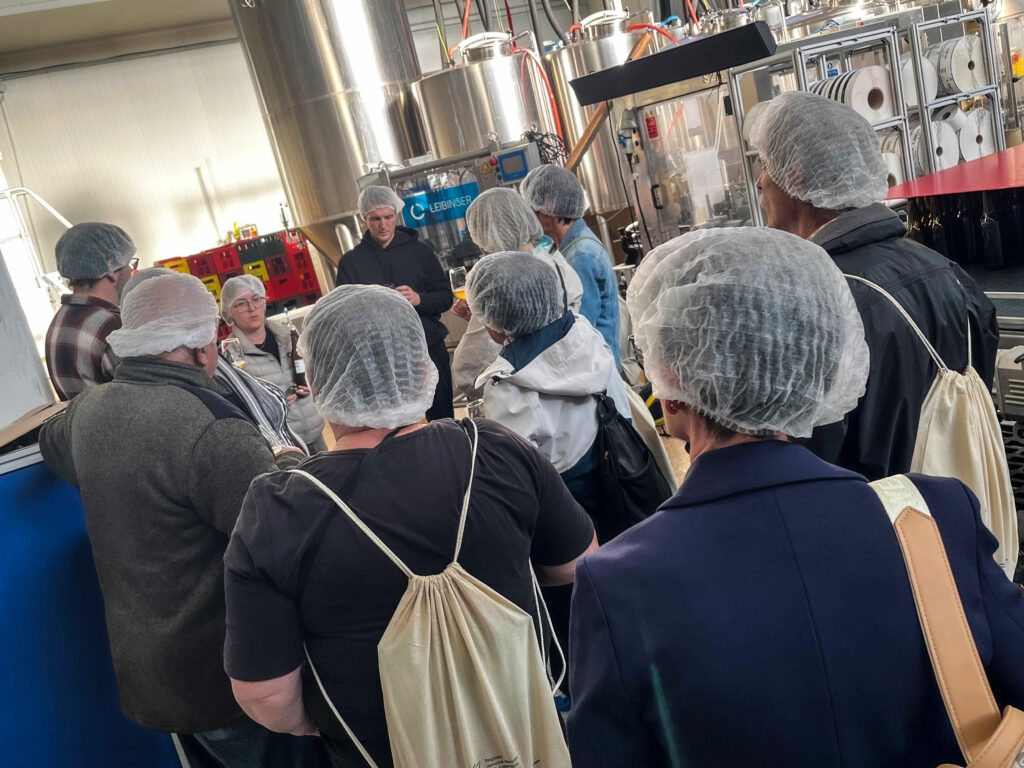
INFORMEST also managed the fourth Innovation Coin service, dedicated to cross-border networking. The event BioTech2Agri Meets Businesses: Innovation and Cross-border Opportunities, held on 10 July 2026 at the Udine Exhibition Centre, brought together 33 participants from SMEs, project partners, experts, universities and innovation organisations. It encouraged discussion of the sector’s challenges and new opportunities for cooperation between Italy and Slovenia.
The experience gained was incorporated into a ten-point strategy for building a cross-border support system for biotechnological innovations. The model includes identifying the intended beneficiaries, clearly allocating roles, establishing a single access point and connecting businesses with experts, laboratories, research infrastructure and assessment services.
The strategy also includes inclusive, multilingual communication, data protection, monitoring of needs and the long-term sustainability of services. The objective is to ensure continuity in the cooperation among partners and stakeholders and support businesses throughout the entire journey, from an innovative idea to its practical application.
BioTech2Agri therefore leaves the participating territories with a legacy of knowledge, relationships and operational tools. The mapping of biotechnological opportunities, the pathway tested with the 26 businesses and the ten-point support model provide a concrete foundation for bringing research and the business community closer together and supporting a more innovative, sustainable and competitive agri-food sector.
Throughout this process, INFORMEST helped connect the project dimension with the territorial dissemination of its results, transforming specialist content into accessible knowledge tools and creating a concrete opportunity for Italian and Slovenian innovation stakeholders to meet.
The BioTech2Agri – Biotechnological Innovation for Sustainable and Competitive Agriculture project is co-financed by the European Union under the Interreg VI-A Italy-Slovenia Programme 2021–2027.
BioTech2Agri: from biotechnological innovation to a cross-border model for business growth
https://www.ita-slo.eu/it/biotech2agri

The project aims to enhance European competitiveness by fostering innovation in the agri-food sector. We will add value to Italian-Slovenian agri-food chains through biotechnological solutions, promoting cross-border collaboration between public and private sectors. This initiative seeks to create synergies and ensure sustainable development during and beyond the project’s duration, focusing on medium and long-term goals.