
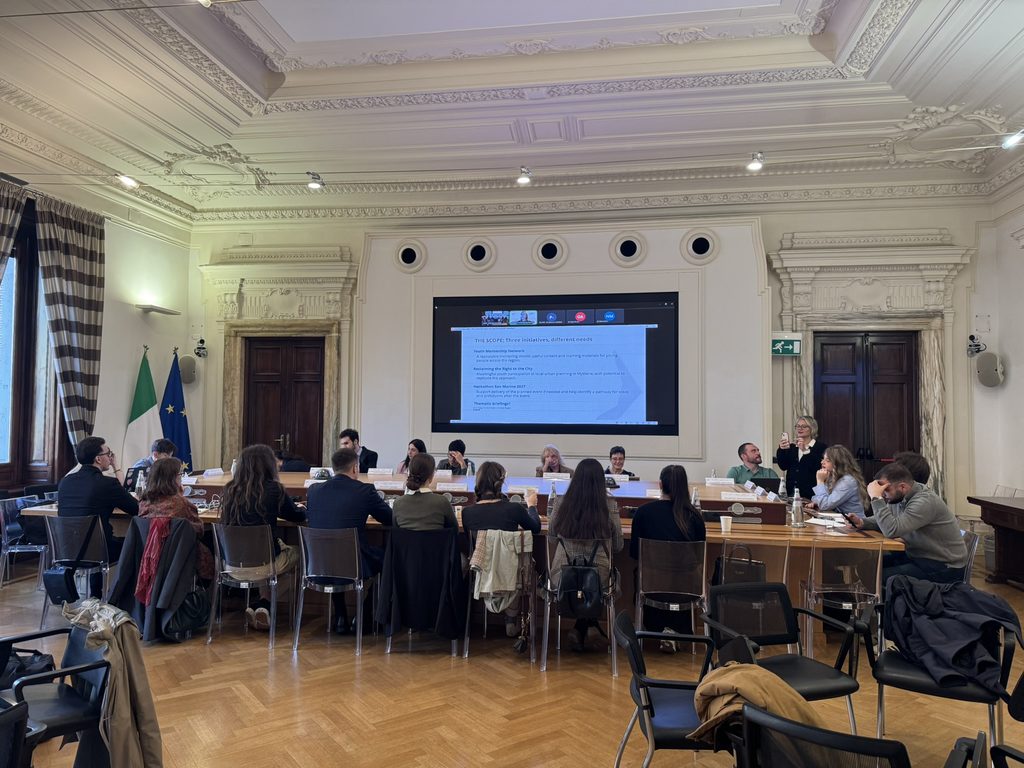
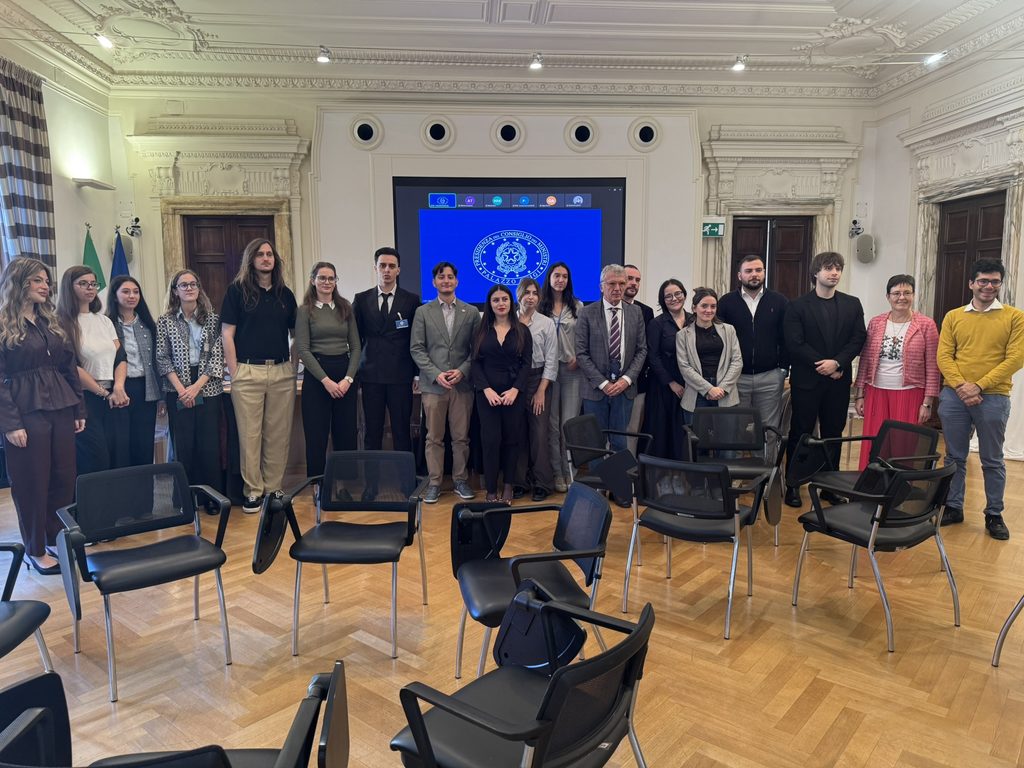
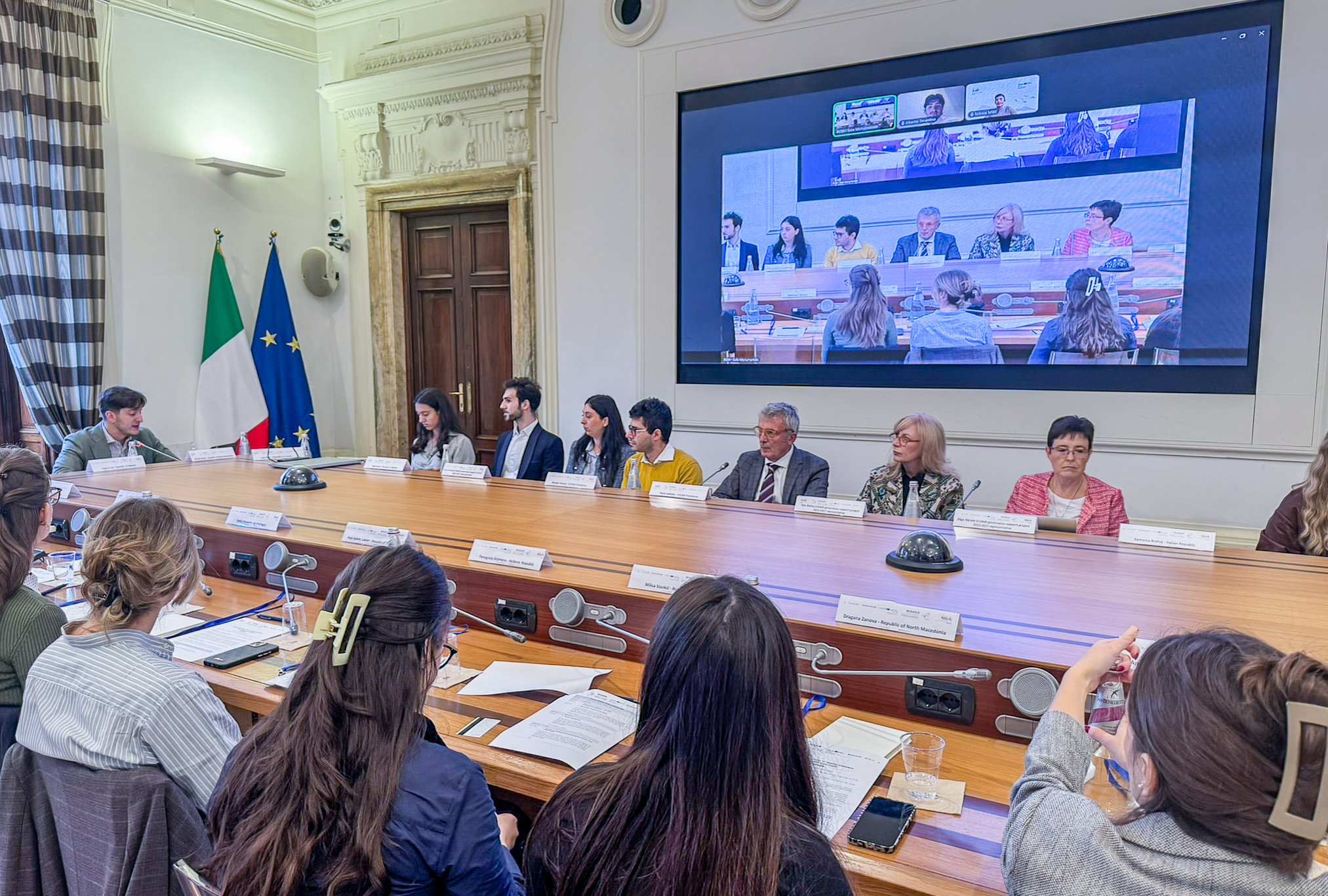
INFORMEST participated in Rome in the 11th meeting of the Youth Council of the European Union Strategy for the Adriatic-Ionian Region (EUSAIR), held on 23 and 24 October as part of the activities of the Italian Presidency of the Strategy. The event focused on strengthening the role of younger generations in macro-regional cooperation and defining the Youth Council’s priorities and activities for 2026-2027.
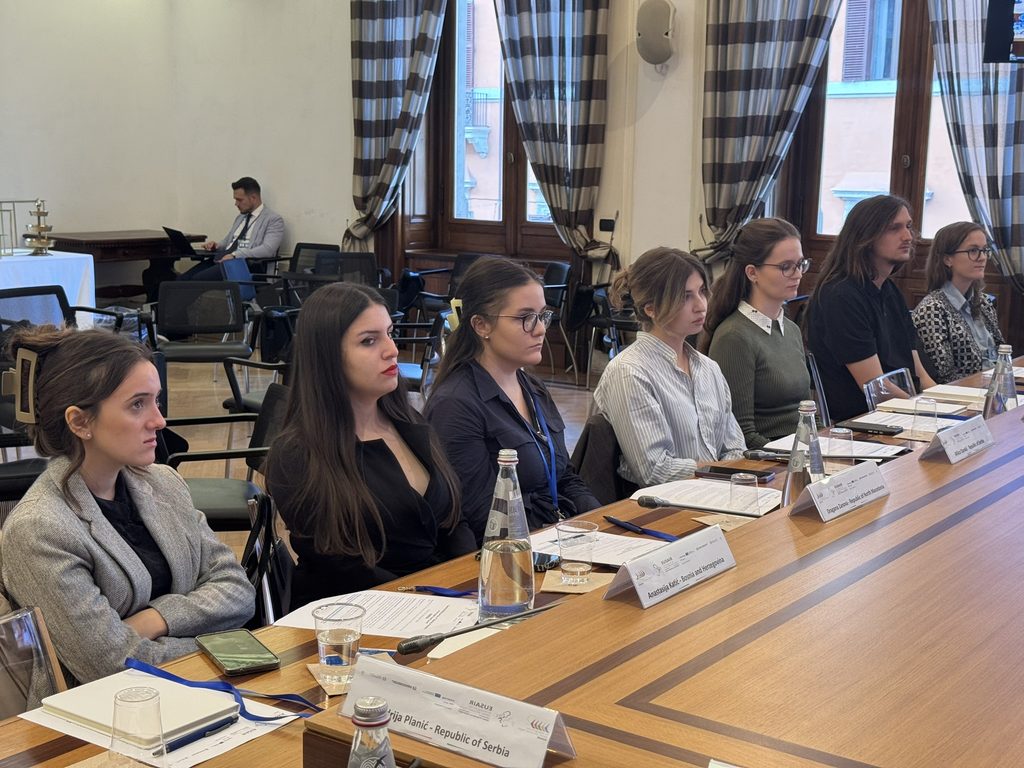
The meeting brought together Youth Council members from the ten countries participating in the Strategy, also providing new members with their first opportunity to meet in person. The EUSAIR Youth Council is an independent advisory body and an integral part of the Strategy’s governance. It interacts with the Governing Board and the Thematic Steering Groups, bringing the perspectives, proposals and priorities of younger generations from the Adriatic-Ionian area into the process.
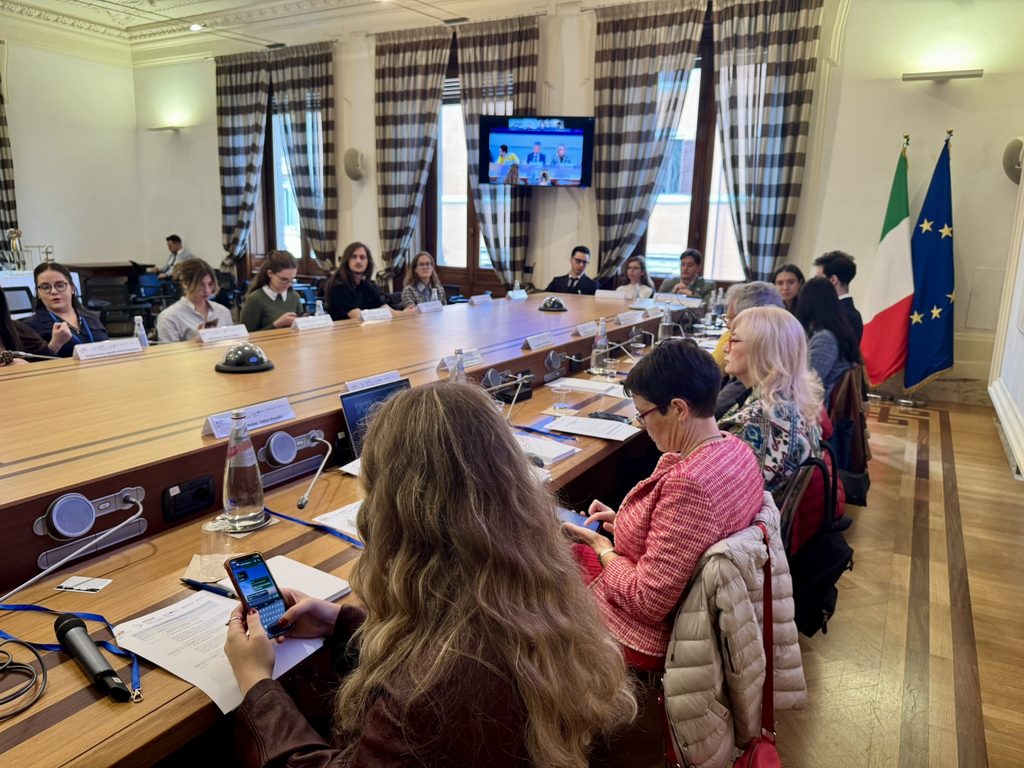
The activities took place at the offices of the Presidency of the Council of Ministers in Rome and, alongside Youth Council members, involved representatives of the European Commission, the Italian Presidency and the EUSAIR Facility Point. The event was organised by the EUSAIR Facility Point, in cooperation with the Youth Council, involving the Slovenian Lead Partner, the Municipality of Izola and the Autonomous Region of Friuli Venezia Giulia, PP6 of the project.
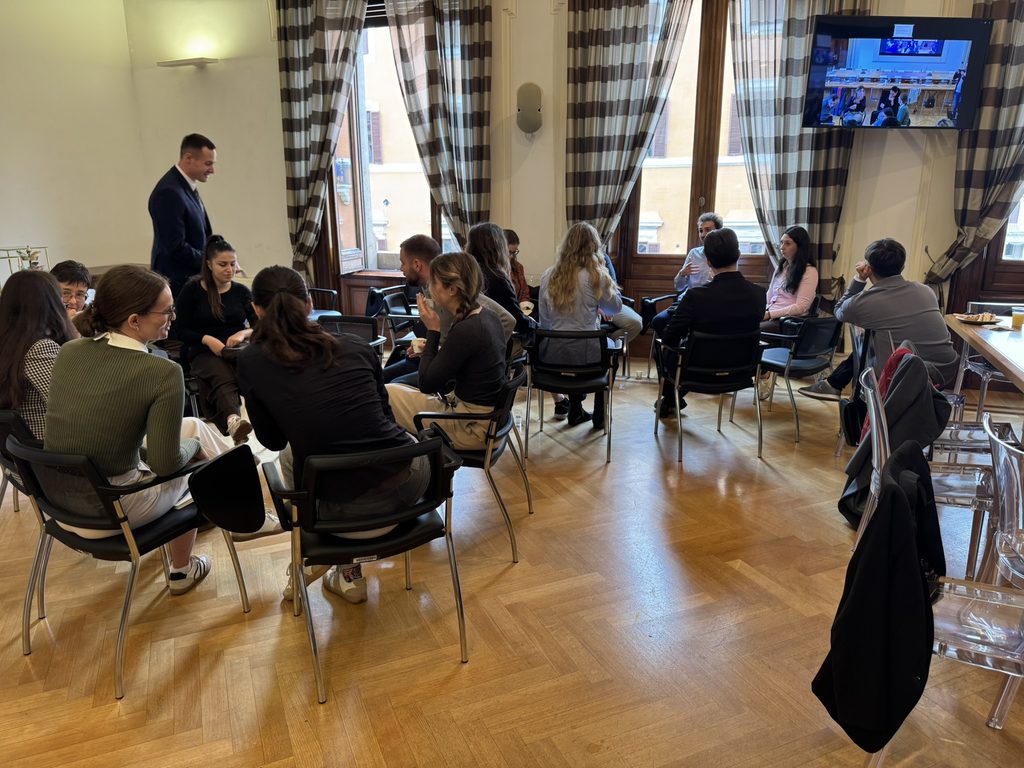
The first day, Friday 23 October, focused in particular on capacity building, with the aim of providing young participants with useful tools to turn ideas and proposals into initiatives that can be concretely implemented.
Following an overview of how EUSAIR works, its institutional processes, the actors involved and the results achieved over the past year, participants reflected together on the Youth Council’s experience and the development of future initiatives. A dedicated workshop guided young people through the different stages of project development, from defining ideas and objectives to planning activities, identifying stakeholders and communication, as well as coordination, financing and the sustainability of results.
The session was therefore designed not only to gather young people’s proposals, but also to provide them with skills and tools to transform those proposals into activities capable of generating a tangible impact across the territories of the macro-region.
The second day was dedicated to the 11th meeting of Youth Council members, including elections for internal positions, the allocation of members to groups linked to the Strategy’s Pillars and, above all, discussion of the 2026-2027 Workplan, strategic priorities and the Council’s next objectives.
The discussion highlighted, in particular, the intention to strengthen internal communication and focus efforts on a more limited number of initiatives, prioritising their quality and concrete implementation.
The programme in Rome also included an institutional visit to Palazzo Chigi, providing another opportunity to bring participants closer to the institutional context in which the Youth Council operates and, in particular, to the activities of the Italian EUSAIR Presidency 2026-2027.
For INFORMEST, participation in the event is part of its broader work supporting the Autonomous Region of Friuli Venezia Giulia, PP6 partner of the EUSAIR Facility Point 2023-2027 project, co-funded by the Interreg IPA ADRION Programme.
INFORMEST supports the Region in administrative, technical and operational activities related to the implementation of the Strategy, also providing support for activities connected with the Italian EUSAIR Presidency, covering the period from May 2026 to May 2027. This work also involves supporting the participation of Italian Youth Council members in the Strategy’s activities.
Participation in the Rome meeting therefore represents another step along this path, aimed at encouraging increasingly concrete participation by younger generations in macro-regional cooperation and strengthening dialogue between young people, institutions and territories.
Making young people an active part of the Strategy means not only listening to their priorities, but also creating the conditions for them to contribute directly to defining and implementing initiatives that shape the future of the Adriatic-Ionian area.
INFORMEST in Rome for the 11th EUSAIR Youth Council Meeting
https://www.adriatic-ionian.eu/

The European Union Strategy for the Adriatic-Ionian Region (EUSAIR) addresses shared challenges and opportunities among ten countries. Supported by the Interreg IPA ADRION Programme, the project enhances governance, implements the Strategy and Action Plan, fosters coordination, improves visibility, and builds capacities for data-driven decision-making, while effectively monitoring and evaluating progress throughout the region.