
14 May 2026
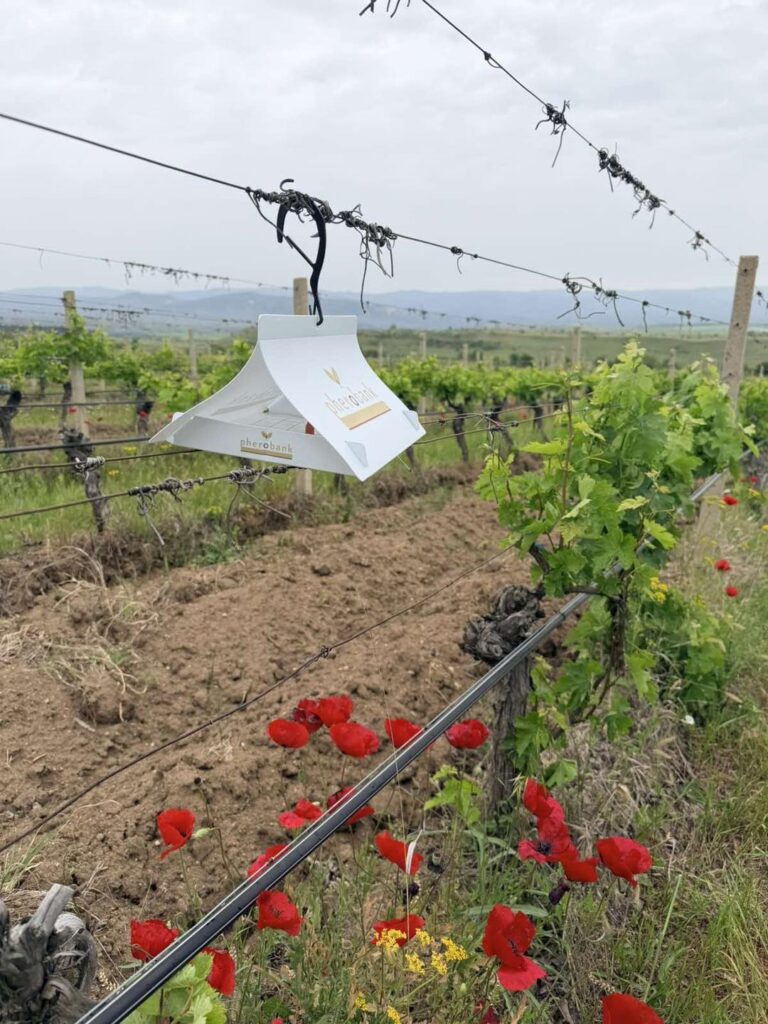
A technical visit in Negotino brought together Italian experts, agricultural institutions and local winegrowers to assess pheromone traps within integrated pest management for vineyards. The activity supported agrometeorological and plant health bulletins, strengthening pest monitoring, timely decisions, reduced pesticide use and environmental sustainability through field observations and direct collaboration among experts, institutions and growers locally.
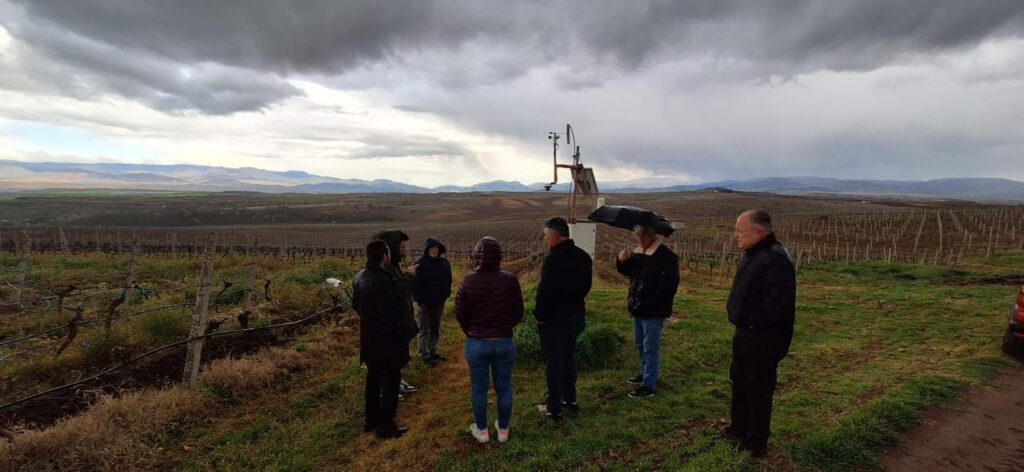
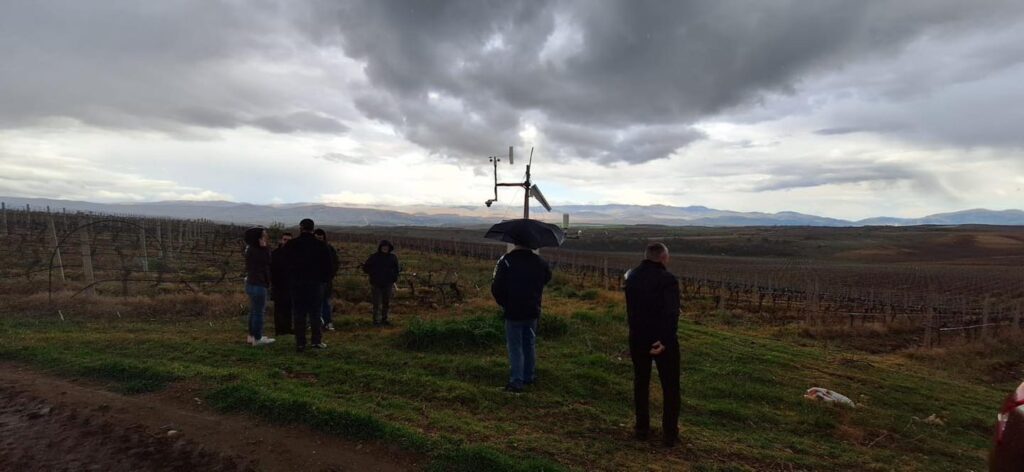
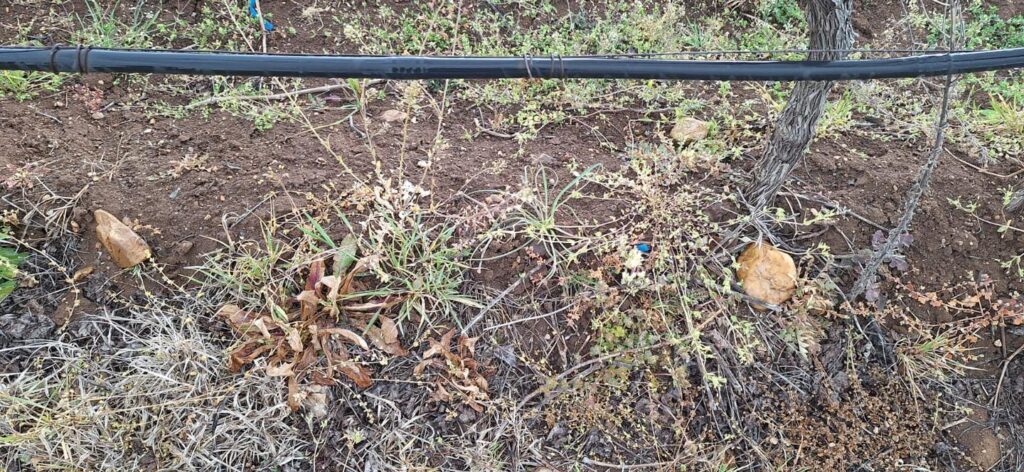
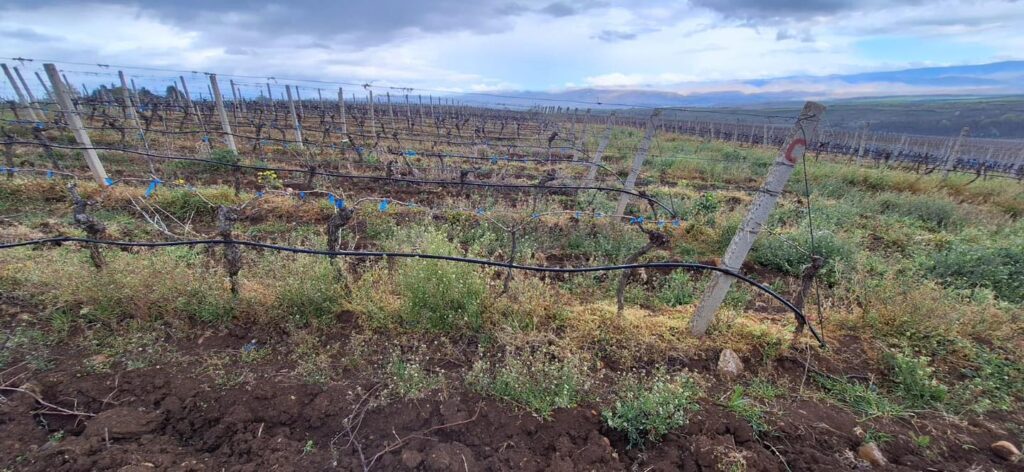
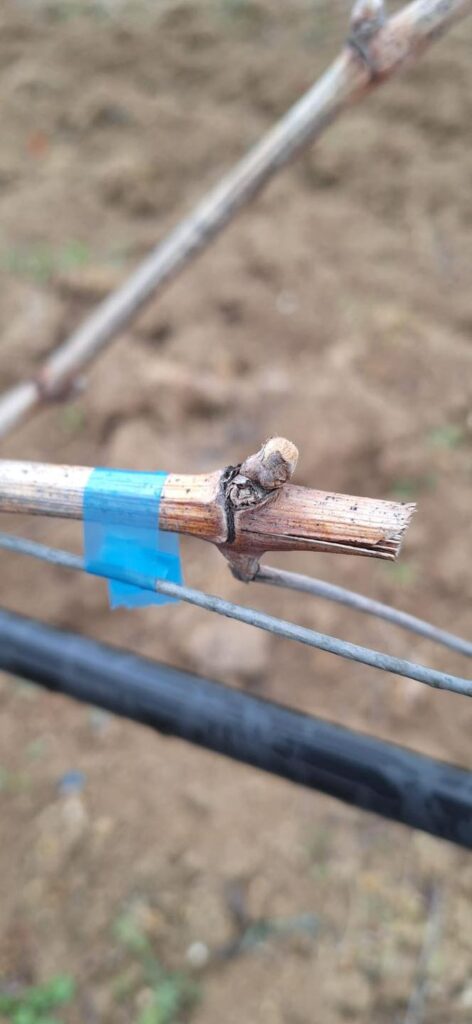
As part of the project activities, a highly productive and insightful field visit took place in Negotino, involving Italian STEs Luca Benvenuto and Riccardo Bugiani, together with representatives of the Institute of Agriculture, the National Extension Agency, the State Agricultural Inspectorate and local farmers.
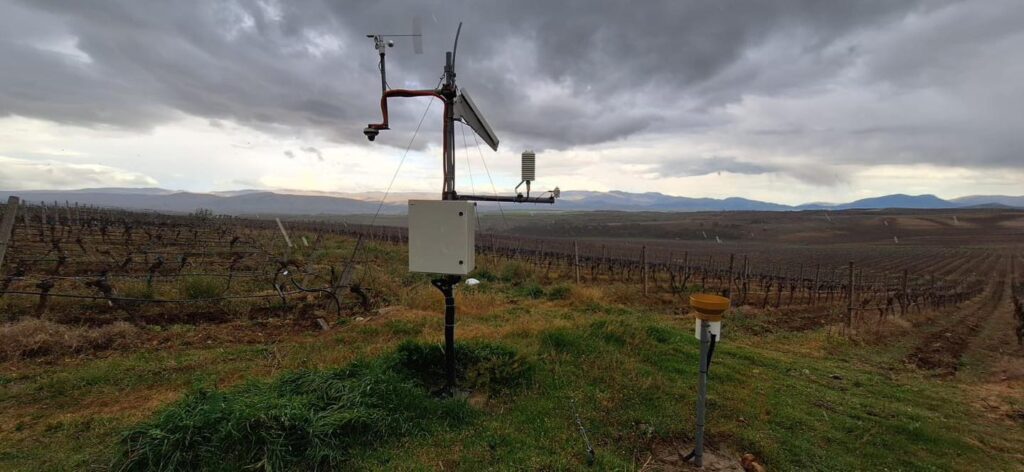
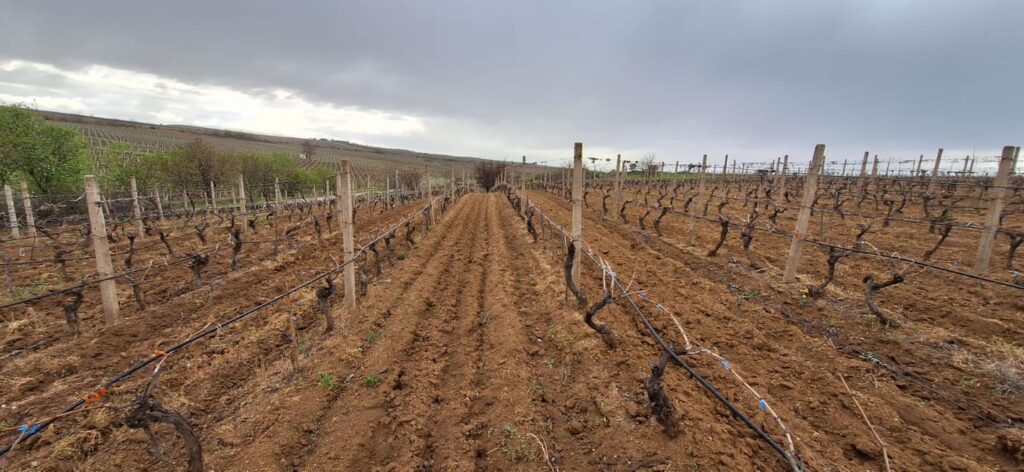
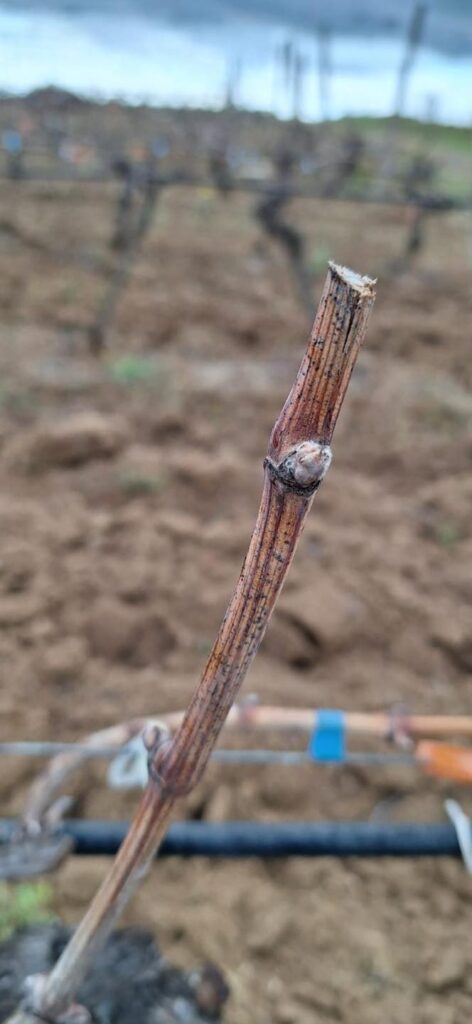
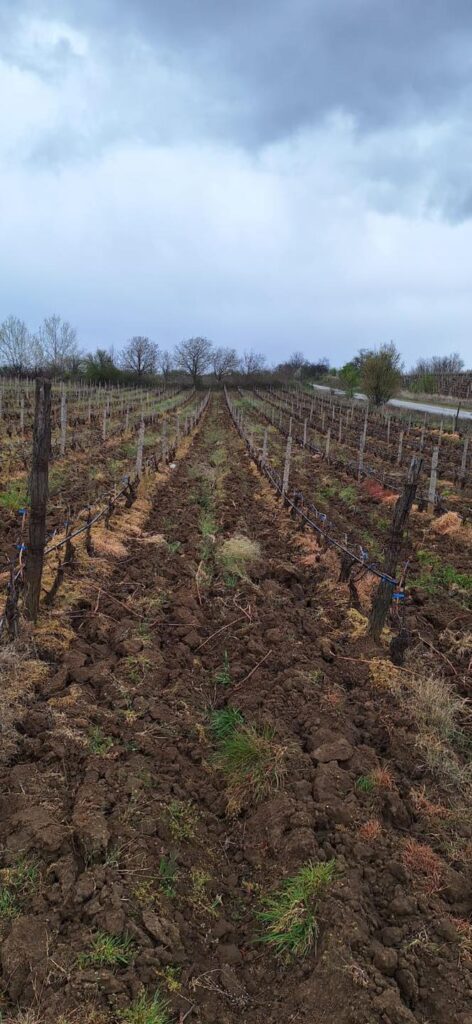
The visit focused on progress in the preparation and dissemination of agrometeorological and plant health bulletins for grapevines in the pilot area. Through field observations and direct exchanges between experts and producers, key phytosanitary risks and management needs were analysed, aiming to improve the quality, relevance and timeliness of information provided to farmers.
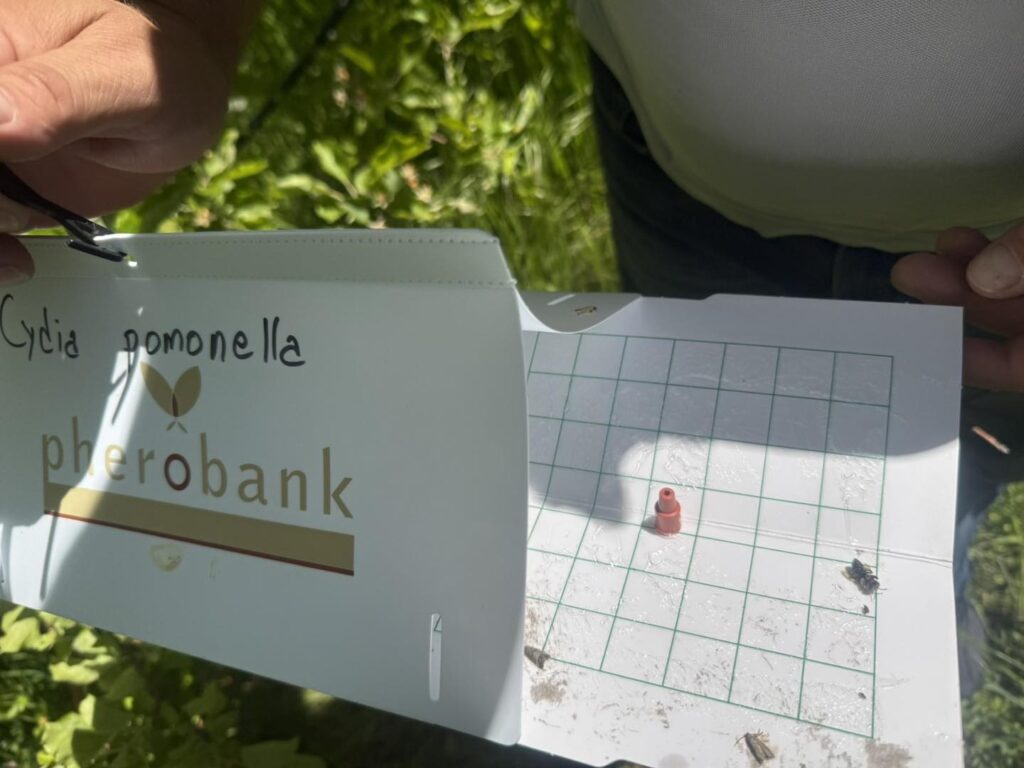
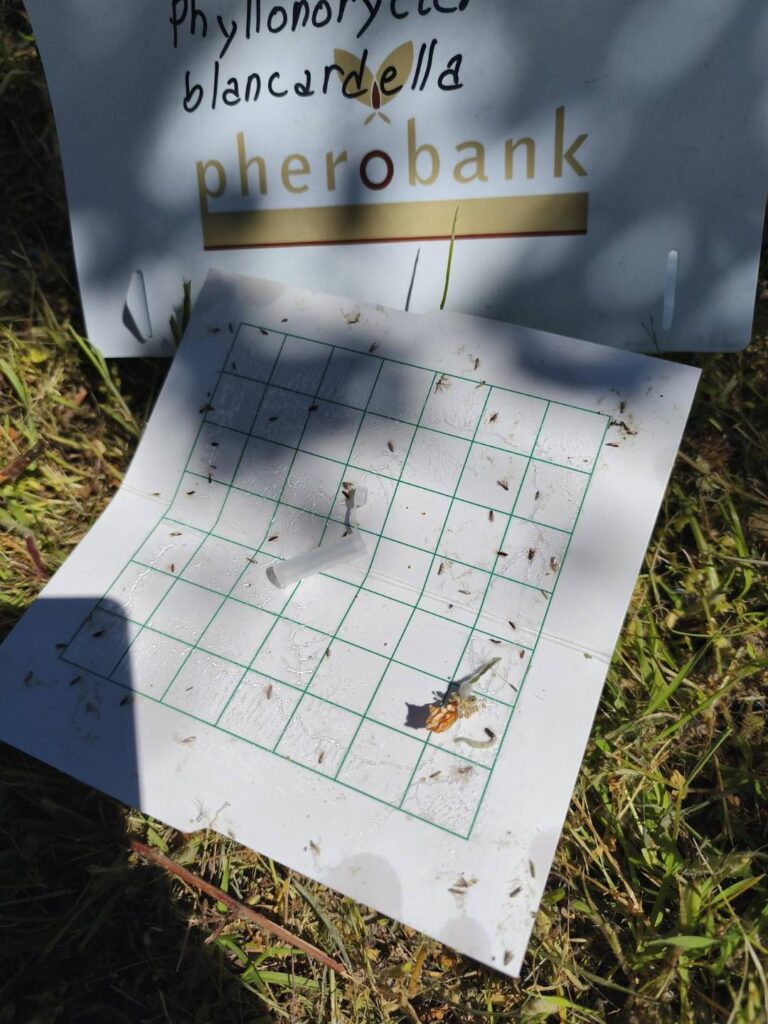
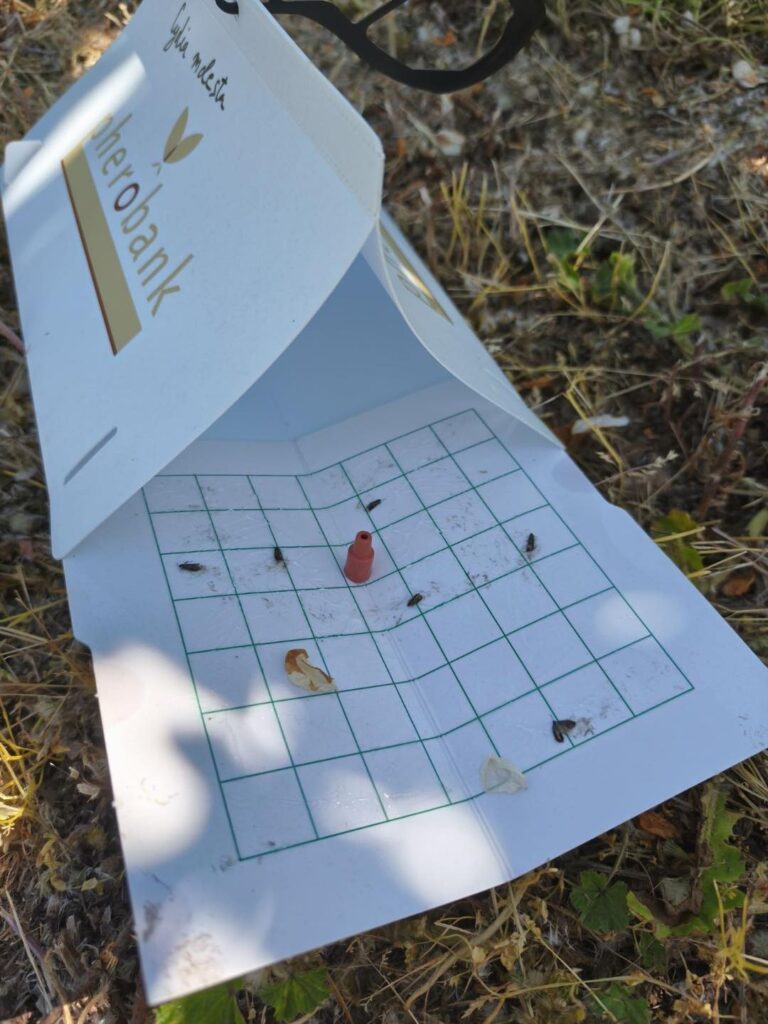
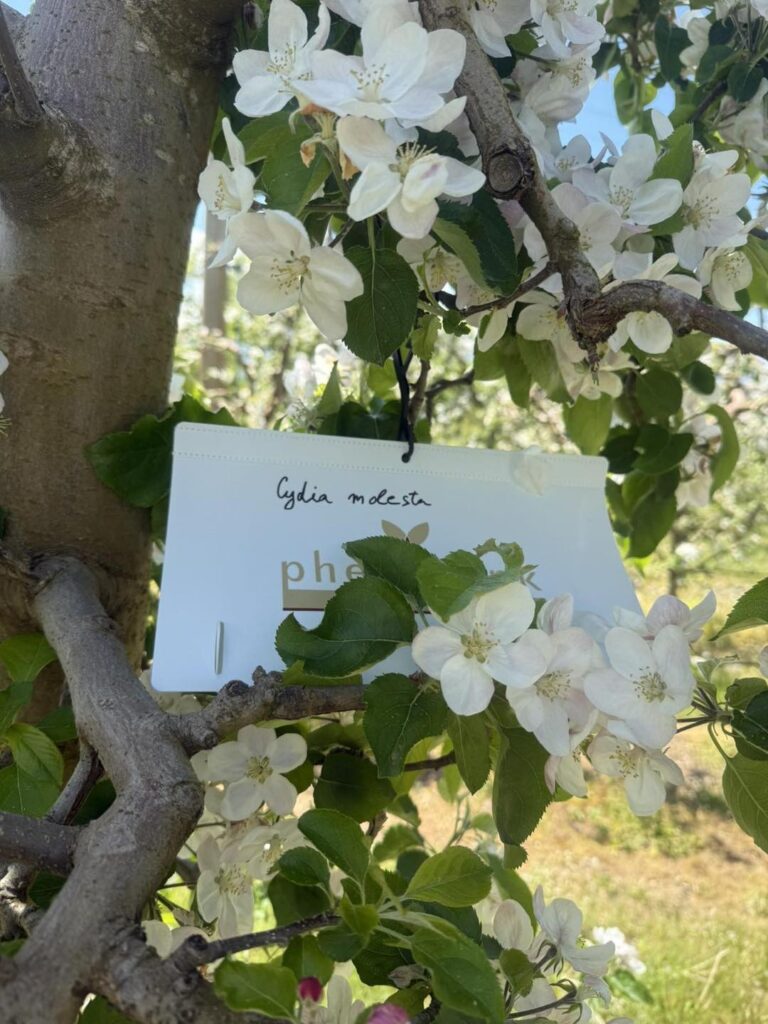
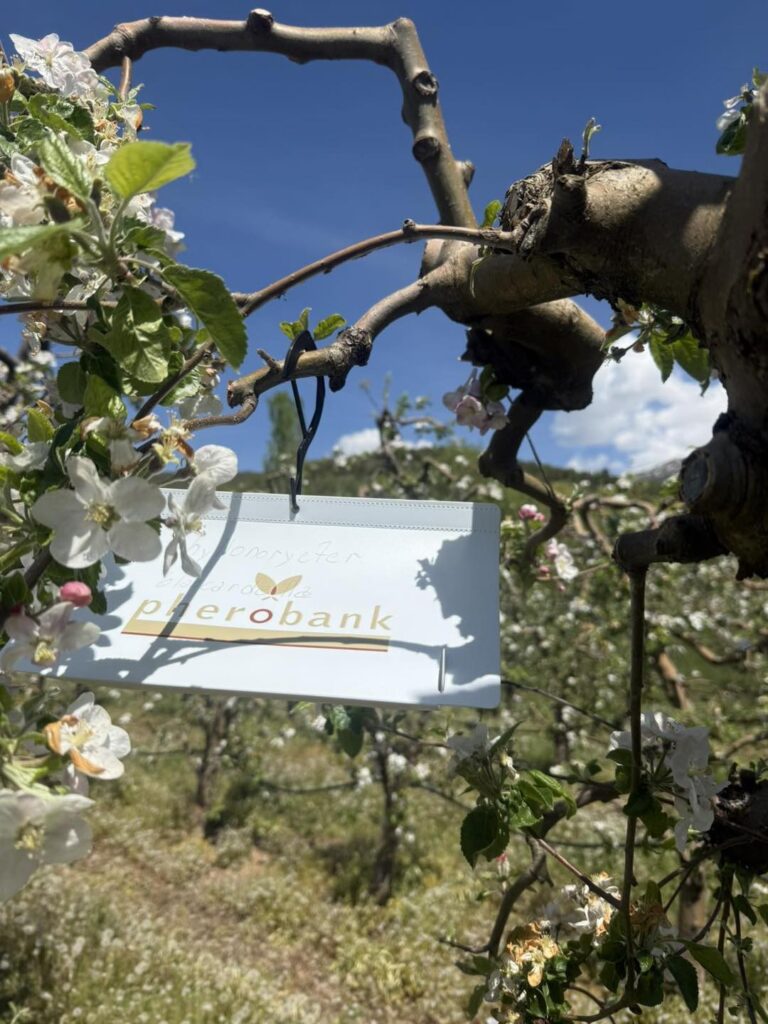
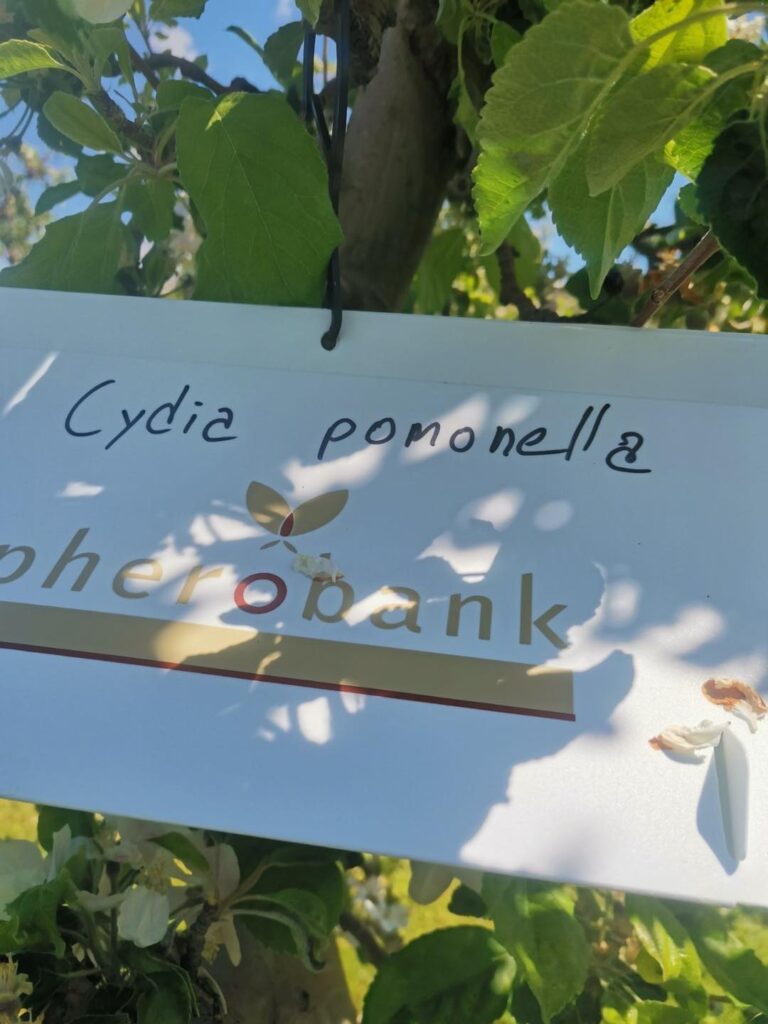
In this context, sexual pheromone traps were used as a key tool for pest monitoring within Integrated Pest Management (IPM). These traps use natural substances that mimic female insect pheromones, attracting males of target species. Their use makes it possible to:
Thanks to continuous monitoring through traps, farmers can make more informed and timely decisions, promoting more efficient and sustainable agricultural production. Integrating these tools into decision support systems represents an important step towards modern, safe and environmentally friendly farming practices.
Strengthening collaboration among experts, institutions and farmers is essential to ensure the dissemination of practical, reliable and risk-based guidance, contributing to improved integrated pest management practices and greater resilience of the viticulture sector.
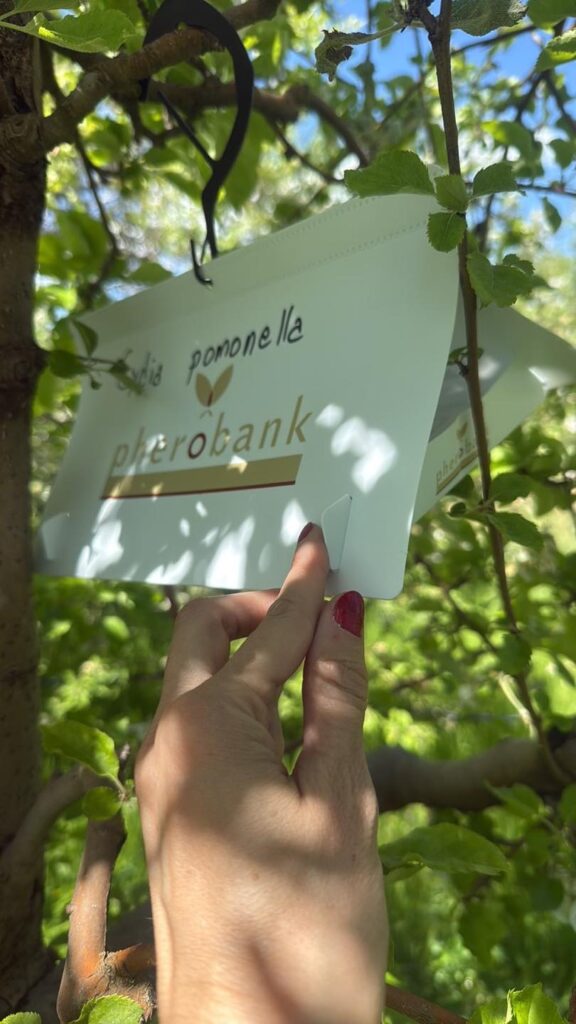
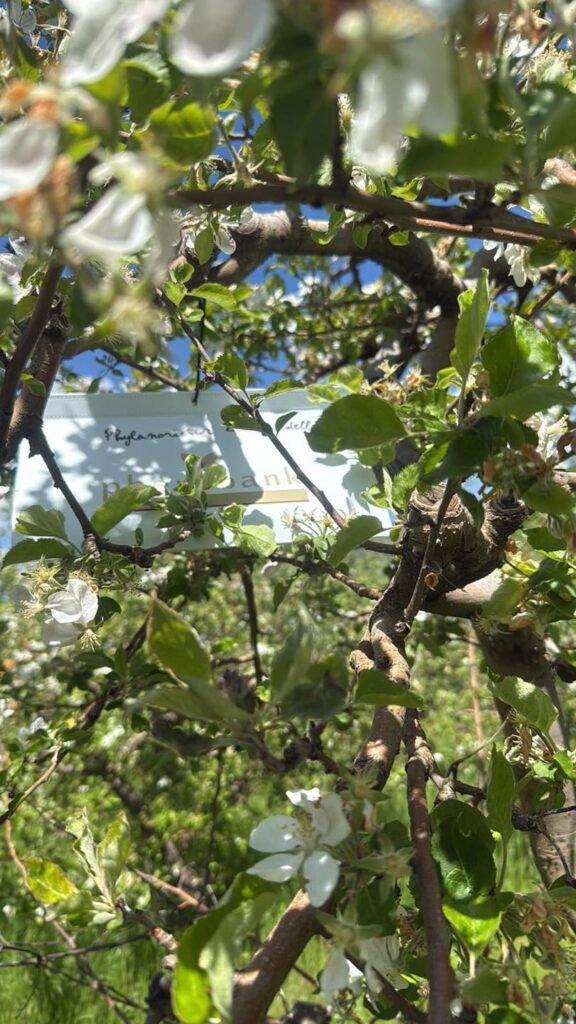
Similar activities are also underway in Resen, with a focus on apple orchard management. All actions contribute to the sustainable use of pesticides, applied only when strictly necessary to control pests and diseases.
The project, funded by the European Union 🇪🇺, continues to promote innovative and sustainable solutions for the agricultural sector, delivering concrete results and a positive impact on the territory.

Technical visit in Negotino: using pheromone traps for more sustainable viticulture

The Twinning project aims to enhance North Macedonia’s national plant protection system by aligning phytosanitary legislation with European Union standards. This important initiative supports the national pre-accession process, facilitating the implementation of the “Stabilization and Association Agreement.” It also contributes to the “National Program for Adoption of the Acquis (NPAA),” revision 2021-2023, ensuring legislative harmonization.